Summer School 2026
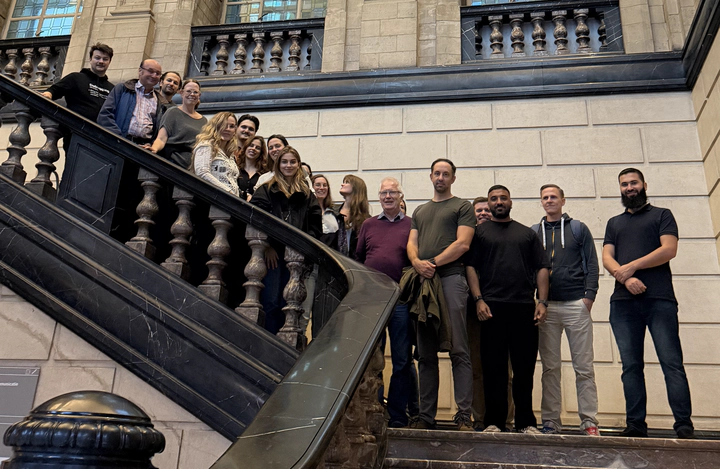
From 1 to 3 September 2026 the second cohort of the RTG WisPerMed gathered in Leuven, Belgium, for its third and final Summer School. Over three days the doctoral researchers and their principal investigators combined lectures by external experts with a critical review of the ongoing dissertation projects and with a discussion of what this cohort wants to pass on to the next one.
The first two days were dedicated to talks by researchers from the disciplines that WisPerMed brings together:
- Dr. Thomas Metcalf (University of Bonn) on Sustainable and Ethical AI, Five Years Later: An Opinionated History
- Dr. Raphael Fischer (Johannes Gutenberg University Mainz) on Assessing and Documenting Environmental Impacts of AI
- Dr. Guillaume Jaume (University of Lausanne) on Multimodal Foundation Models for Computational Pathology
- Prof. Daniel C. Baumgart (University of Alberta) on Rethinking the Future of the Healthcare System and AI
- Dr. Lisa Raithel (TU Berlin) on How Do You Know It Worked? Privacy and Evaluation in Multilingual Clinical NLP
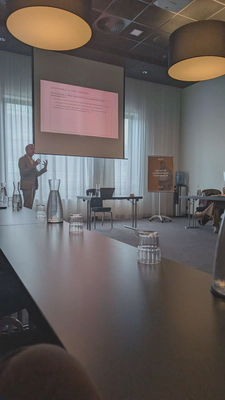
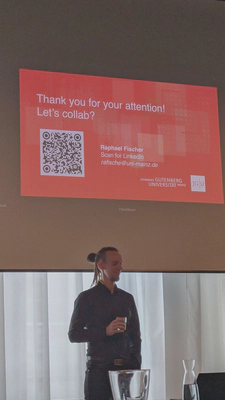
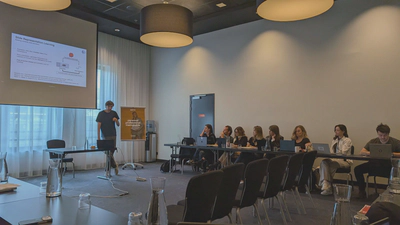
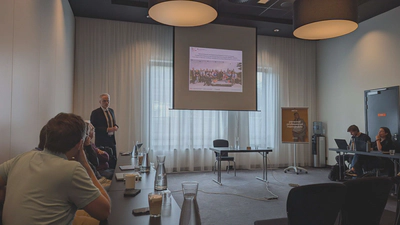
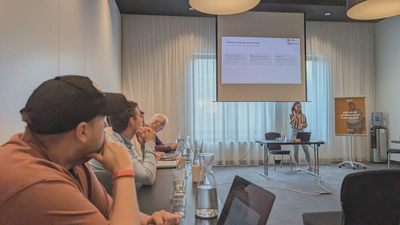
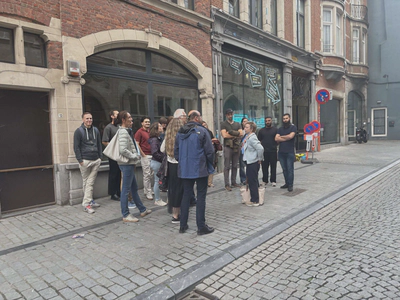
Between the sessions there was time for exchange with the speakers. The second day ended with a historic walking tour through Leuven, which led the group through the heritage of KU Leuven, one of the oldest universities in Europe.
The third day was devoted to the group’s own work. In the “Fast & Furious” session the doctoral researchers presented their central results and the planned structure of their dissertations and received detailed feedback from the principal investigators. The following “Back to the Future” session reversed the direction: the second cohort passed on its experience and its recommendations to the PIs, so that they can shape the conditions for the incoming third cohort, whose recruitment starts this September.
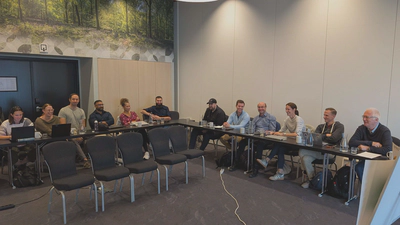
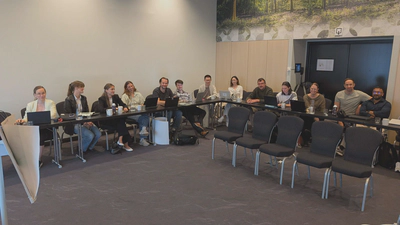
The Summer School closed with an interactive discussion on “Forecasting Medicine: What Comes After the Present?”, in which the participants debated future research priorities, unmet clinical needs, and the opportunities that arise at the intersection of medicine and artificial intelligence.
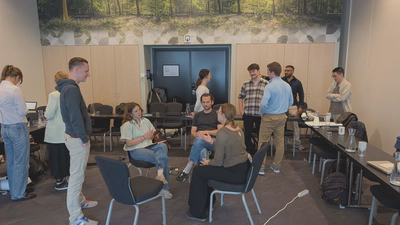
We thank all speakers, principal investigators, and doctoral researchers who made this final Summer School of the second cohort a success.